

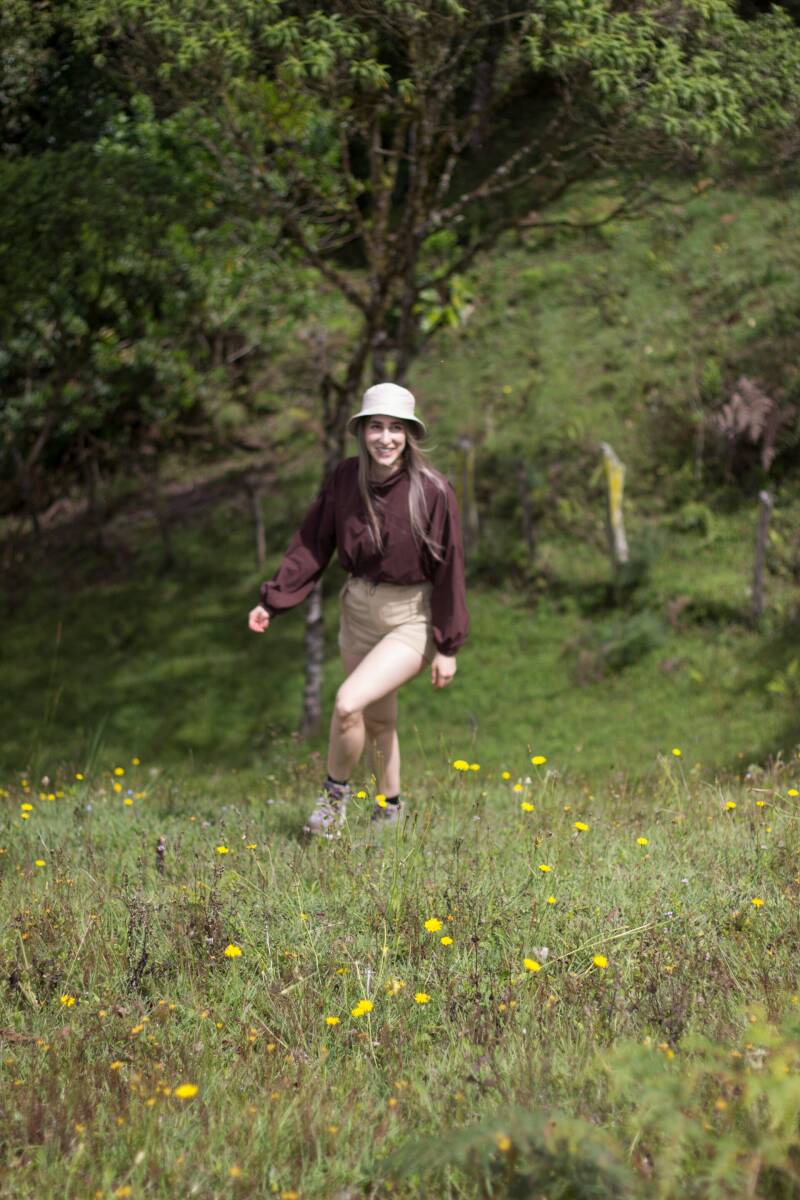
Before sunrise, Cerro de la Muerte belongs to the birds.
The fog rolls in from the Pacific side before you can see it — you smell it first, that cold wet pine smell that tells you you're at altitude. Then the quetzal calls. Not the recorded version you've heard on a nature documentary. The real one, echoing off cloud forest walls at 3,000 meters, while you stand in a field of wild blackberries watching a bird that looks genuinely impossible: emerald green, crimson red, and a tail that seems to belong to a different, more extravagant species entirely.
Cerro de la Muerte — the Mountain of Death, named by 19th-century travelers who froze crossing it — is one of the most remarkable birdwatching sites in Costa Rica. This guide covers everything you need to plan a serious visit: the birds, the seasons, the logistics, and what to expect at different altitudes along the ridge.
---
Why Cerro de la Muerte Is a Birder's Destination
Costa Rica has more bird species per square kilometer than almost any country on Earth. What makes Cerro de la Muerte different is altitude. Most of the country's famous birding — Monteverde, Arenal, the Caribbean lowlands — happens between sea level and 1,500 meters. Cerro de la Muerte reaches above 3,400 meters, which means species that simply don't exist lower down.
The Resplendent Quetzal is the obvious draw. But the endemic species list goes much further. You're likely to encounter Volcano Junco, Timberline Wren, Flame-throated Warbler, Black-and-yellow Silky-flycatcher, and Slaty Flowerpiercer — birds that require exactly this ecosystem: cold, misty, high-altitude oak and cloud forest.
For serious birders, the Cerro de la Muerte corridor between San Gerardo de Dota and the Interamerican Highway is the most species-dense stretch in the country's highland zone.
---
The Species You're Most Likely to See
Resplendent Quetzal (Pharomachrus mocinno)
The quetzal is the bird that brings international visitors to Cerro de la Muerte. The male's iridescent green tail coverts can reach 60 cm. February through April is peak season, when breeding pairs are active and males display.
Volcano Junco (Junco vulcani)
Endemic to the high cordilleras of Costa Rica and western Panama. One of the defining birds of the paramo zone above 3,000m. Small, dark, surprisingly confiding — often feeds on the ground near trails.
Fiery-throated Hummingbird (Panterpe insignis)
Perhaps the most spectacular hummingbird in Costa Rica. The fiery throat patch is only visible at certain angles — when the light catches it correctly, the bird seems to briefly catch fire.
Black-and-yellow Silky-flycatcher (Phainoptila melanoxantha)
Fruit-eating specialist found in mixed flocks at higher elevations.
Timberline Wren (Thryorchilus browni)
Highland endemic, heard more often than seen. Its song carries through the fog before you see the bird.
Sooty-capped Bush-tanager (Chlorospingus pileatus)
Extremely common in mixed flocks at cloud forest edge. Usually the first tanager species new visitors encounter.
Other reliable species: Slaty Flowerpiercer, Long-tailed Silky-flycatcher, Barred Becard, Black-billed Nightingale-thrush, Mountain Robin, and Ruddy Treerunner.
---
Best Time to Visit
February to April — peak season
Quetzal breeding is active. Males are displaying and easier to locate. This is when you plan a serious trip if quetzals are your target.
December to January
Dry season begins. Excellent visibility. Many highland species are active.
May to November — green season
Rain is heavier in afternoons. Mornings remain good for birding. Vegetation is lush and the forest looks extraordinary.
Worst time: mid-afternoon on any day. Dawn to 10am is your window, regardless of season.
---
What to Bring
Cerro de la Muerte will surprise you with its cold. Even if San José was 25°C when you left, temperatures at 3,000 meters can drop to 4–8°C before sunrise.
Essential gear:
- Thermal base layer + mid-layer fleece
- Waterproof outer shell (real wind protection)
- Waterproof walking boots or trail shoes
- Binoculars, minimum 8×42 (10×42 preferable)
- Field guide: The Birds of Costa Rica by Garrigues & Dean
- Headlamp for pre-dawn starts
---
Birdwatching at Sacred Hill — Private Cloud Forest Access
Most birding access points along Cerro de la Muerte are roadside pulloffs on the Interamerican Highway — quick, accessible, crowded during peak season. What they don't offer is interior access to private cloud forest land.
Sacred Hill Cartago is a 5-hectare farm (one hectare in organic transition with the SFE) on Cerro de la Muerte, at approximately 1,800 meters on the Cartago side of the ridge. The property includes private trails through secondary cloud forest, a natural lagoon, and organic herb fields that attract hummingbirds at consistent, predictable times.
You're not sharing a pulloff with a tour bus. You're walking private forest trails with a guide who knows exactly where the quetzals have been moving, which fruiting tree the silky-flycatchers are working, and what time the Fiery-throated Hummingbirds come to the flowering sections.
Birdwatching tours at Sacred Hill:
- Duration: 2.5–3 hours (dawn departure)
- Group size: maximum 8 participants
- Languages: Spanish and English
- Included: guided trail walk, lagoon area, organic farm section, hot coffee at arrival
---
Frequently Asked Questions
Do I need to be an expert birder?
No. Tours are designed for anyone from serious listers adding highland endemics to first-time visitors who simply want to see a quetzal.
Is it guaranteed I'll see a quetzal?
No guide can guarantee wild bird sightings. What we guarantee is the right habitat, the right time, with someone who knows where to look. February through April offers the best quetzal odds anywhere on the ridge.
How do I get to Sacred Hill from San José?
Approximately 45 minutes via the Interamerican Highway (Route 2). Sacred Hill is on the Cartago side of the ridge. We send GPS coordinates upon booking — the access is fully paved.
---
Plan Your Visit
WhatsApp: +506 6030-9090
Email: sacredhillcartago@gmail.com
Web: sacredhillcartago.com/experiences
Tell us your target species and travel dates — we'll tell you honestly what to expect.
Add comment
Comments